"Bourbon Legacy in the Heart of San Martino - Sacred Rebirth and Family Altruism"
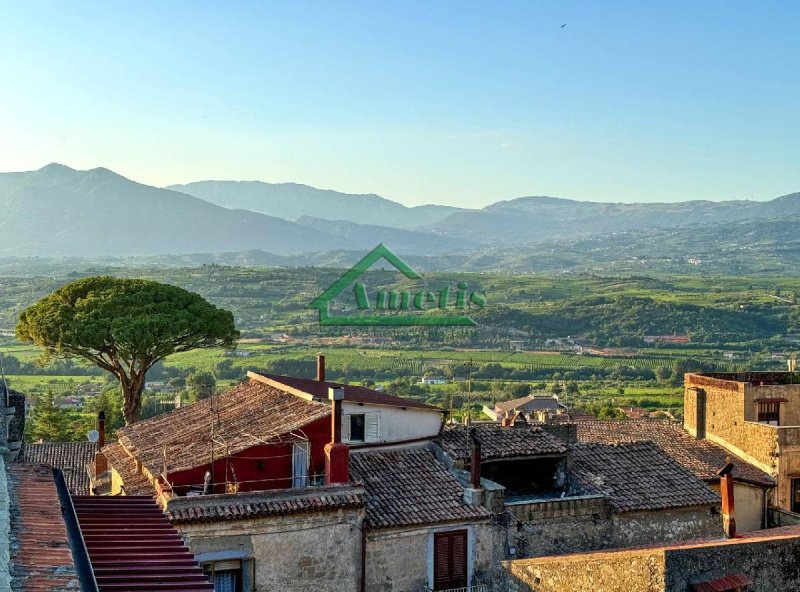
In the enchanting San Martino farmhouse, a hilltop village in Solopaca nestled among the Taburno vineyards, Ametis Real Estate Agency offers for sale this important property located in a historic 18th-century building. Built from local stone with carved portals and shaded courtyards, the building, begun around 1750 by Count Zotti, a trusted courtier in Naples in the service of Charles III of Bourbon-an enlightened king who embellished the kingdom with works of faith and progress-evokes the Bourbon era of winemaking prosperity, an investment where history and wine mature together.
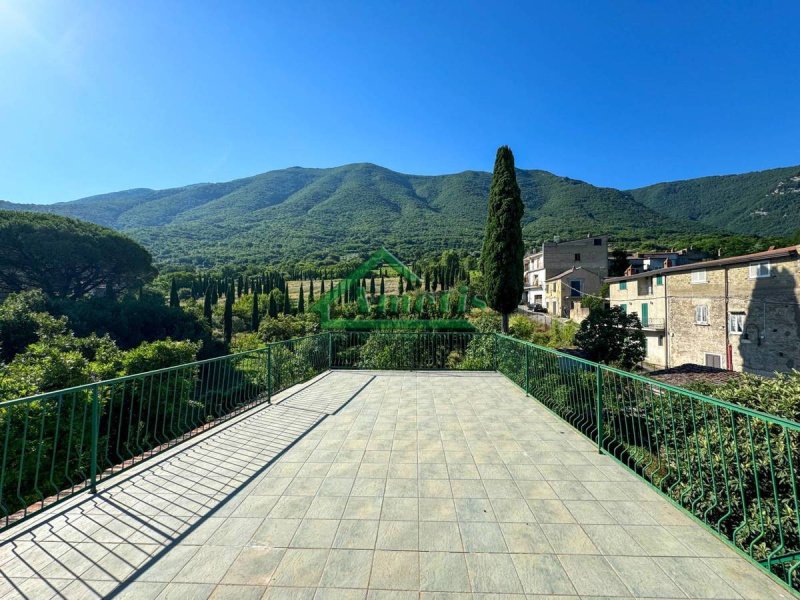
What we are selling: master apartment on the second and top floor, free on three sides, with a large terrace above and access to the attic. The property has an L-shaped layout, is classified as category A/2 (civil dwelling), and has eight rooms covering a total cadastral area of 214m2.
The internal layout, best illustrated by the floor plan, is as follows: from the private landing, the apartment can be accessed through two different doors, one leading to the living room and the other to the hallway/corridor. On the left side of the living room is a double bedroom, on the right side a dining room, followed by a bathroom, an eat-in kitchen with a veranda, a walk-through bedroom/study, and a final double bedroom with a balcony overlooking the greenery. From the balcony, an external iron staircase leads to the large terrace above and the attic. The total cadastral area of this floor is 160 square meters. On the ground floor, the entrance level to the building, there is a cellar and a storage room/tavern with two accesses, one from the outside and one from the shared foyer. On the mezzanine floor, halfway up the stairs, there is a storage room. Adjacent to the building via a separate driveway is a large storage unit used as a garage/covered parking space with a cellar behind it, totaling 67 sq m. Above the storage unit is a private terrace connected to a private green area that extends behind the property and shares approximately 2,000 sq m of land with the first-floor unit. The property also includes an undivided internal courtyard.
This property preserves and embodies the resilient soul as well as altruism through the family motto that was engraved above the door: "Post Fata Resurgo" (After fate, I rise again) and "Sibi et Aliis Plus Aliis Quam Sibi" (For oneself and for others, more for others than for oneself), symbolized by a regal phoenix that evokes rebirth and Christian altruism, perhaps inspired by Saint Martin who protected the poor with his cloak.
The adjacent Church of San Martino, a parish church dating back to 1728 with neoclassical frescoes and baroque statues, has always been considered by the family as an extension of the residence for rituals and charitable purposes.
Solopaca, a welcoming community, is a village of 3,500 inhabitants in the province of Benevento (Campania). It's a hidden gem for those seeking quality of life, nature, and affordable opportunities. It has seen a post-pandemic growth in tourism.
Solopaca is famous for: Solopaca DOCG wine (Aglianico, Falanghina), home to the Solopaca Winery-the oldest winemaking cooperative in Italy-with tastings and festivals such as the Grape Festival (September), patronal festivals (San Martino, November), the MEG Food and Wine Museum in Palazzo Cutillo, and the Sanctuary of Maria SS. del Roseto (a pilgrimage site). Situated on the slopes of Mount Taburno (Taburno-Camposauro Regional Park), it offers pure air and views of the Calore Valley. The Via Francigena trails offer hikes (two panoramic trails) and trekking (e.g., the Fontana della Trinità, the Grotta di San Simeone). Nearby: Telese Terme (3 km, thermal waters), Sant'Agata dei Goti (medieval village, 10 km), Benevento (20 km, with Roman aqueduct), Caserta (40 km, Royal Palace),...
Språk från vilket den automatiska översättningen genererades
"Eredità Borbonica nel Cuore di San Martino - Rinascita Sacra e Altruismo Familiare"
Nell'incanto del casale San Martino, alto borgo di Solopaca tra le vigne del Taburno, l'Agenzia Immobiliare Ametis propone in vendita questa importante proprietà sita in palazzo storico del XVIII secolo. L'edificio, in pietra locale con portali scolpiti e cortili ombreggiati, iniziato intorno al 1750 dal Conte Zotti, fidato cortigiano a Napoli al servizio di Carlo III di Borbone - re illuminato che abbellì il Regno con opere di fede e progressi, evoca l'epoca borbonica di prosperità enologica, un investimento dove storia e vino maturano insieme.
Cosa vendiamo: appartamento padronale posto al secondo ed ultimo piano libero su 3 lati con soprastante collegata grande terrazza con annesso accesso al sottotetto: l'abitazione ha una pianta a forma di "L", è in categoria A/2 (Abitazione Civile), ha 8 vani che occupano una superficie catastale totale di 214mq.
La distribuzione interna dei vani che si può evincere meglio dalla planimetria è la seguente: dal pianerottolo privato è possibile accedere all'appartamento da due porte differenti, una che accede alla sala, l'altra al disimpegno/corridoio; sul fianco sinistro della sala c'è una camera matrimoniale, sul lato destro una sala da pranzo, poi troviamo il bagno, la cucina abitabile con veranda, una camera/studio di passaggio e l'ultima camera da letto matrimoniale con balcone con vista sul verde. Dal Balcone è possibile tramite scala esterna in ferro recarsi sulla grande terrazza soprastante e al sottotetto, la superficie catastale totale di questo piano è di 160mq. Al piano terra ovvero al piano d' ingresso allo stabile abbiamo una cantina e un magazzino/taverna con 2 accessi, uno dall'esterno e uno dall'atrio comune. Al piano rialzato a metà rampa di scala troviamo un ripostiglio. Adiacente all'edificio tramite accesso carraio indipendente c'è un grande deposito ad uso garage/posto auto coperto con locale cantina retrostante per un totale di 67mq catastali. Sopra il deposito c'è una terrazza privata collegata con area verde privata che si estende dietro la proprietà occupando in comune con l'alloggio del piano primo circa mq 2000 di terreno; oltre ad un cortile interno indiviso.
Questa proprietà custodisce e incarna l'anima resiliente nonché l'altruismo attraverso il motto familiare che fu inciso sopra il portone: "Post Fata Resurgo" (Dopo il destino, risorgo) e "Sibi et Aliis Plus Aliis Quam Sibi" (Per sé e per gli altri, più per gli altri che per sé), simboleggiato da una fenice regale che evoca la rinascita e l'altruismo cristiano, forse ispirata a San Martino che con il suo mantello protesse i poveri.
La Chiesa di San Martino è adiacente, è una parrocchia del 1728 con affreschi neoclassici e statue barocche, da sempre considerata dalla famiglia un'estensione della dimora per riti e beneficenza.
Solopaca, comunità accogliente, è un borgo di 3.500 abitanti in provincia di Benevento (Campania), è una gemma nascosta per chi cerca qualità della vita, natura e opportunità a prezzi accessibili. Ha avuto una crescita turistica post-pandemia.
Solopaca è famosa per: il vino Solopaca DOCG (aglianico, falanghina), ospita la Cantina di Solopaca - la più antica cooperativa vinicola d'Italia - con degustazioni e festival come la Festa dell'Uva (settembre), feste patronali (San Martino, novembre), qui si trova il MEG Museo Enogastronomico in Palazzo Cutillo, Santuario Maria SS. del Roseto (meta di pellegrinaggi). Alle pendici del Monte Taburno (Parco Regionale del Taburno-Camposauro) offre aria pura e viste sulla Valle del Calore nei sentieri della Via Francigena con escursioni (2 sentieri panoramici) e trekking (es. Fontana della Trinità, Grotta di San Simeone), nelle vicinanze: Telese Terme (3 km, acque termali), Sant'Agata dei Goti (borgo medievale, 10 km), Benevento (20 km, con acquedotto romano), Caserta (40...
Das Erbe des Bourbon im Herzen von San Martino - Heilige Wiedergeburt und familiärer Altruismus"
Im bezaubernden Landgut San Martino, einem Hügeldorf in Solopaca inmitten der Weinberge von Taburno, bietet die Immobilienagentur Ametis Real Estate Agency dieses bedeutende Anwesen in einem historischen Gebäude aus dem 18. Jahrhundert zum Verkauf an. Das aus lokalem Stein erbaute Haus mit seinen kunstvoll gestalteten Portalen und schattigen Innenhöfen wurde um 1750 von Graf Zotti, einem vertrauten Höfling in Neapel im Dienste Karls III. von Bourbon - einem aufgeklärten König, der das Königreich mit Werken des Glaubens und des Fortschritts bereicherte - errichtet und erinnert an die Blütezeit des Weinbaus unter Bourbon. Es ist eine Investition, bei der Geschichte und Wein gemeinsam reifen.
Zum Verkauf steht eine Master-Wohnung im zweiten und obersten Obergeschoss, die nach drei Seiten frei zugänglich ist und über eine große Dachterrasse sowie Zugang zum Dachgeschoss verfügt. Das Objekt hat einen L-förmigen Grundriss, ist als Wohngebäude der Kategorie A/2 klassifiziert und umfasst acht Zimmer mit einer Gesamtfläche von 214 m².
Die Raumaufteilung, am besten dargestellt durch den Grundriss, gestaltet sich wie folgt: Vom privaten Treppenabsatz gelangt man durch zwei Türen in die Wohnung. Eine führt ins Wohnzimmer, die andere in den Flur. Links vom Wohnzimmer befindet sich ein Doppelschlafzimmer, rechts das Esszimmer, gefolgt von einem Badezimmer, einer Wohnküche mit Veranda, einem Durchgangszimmer/Arbeitszimmer und einem weiteren Doppelschlafzimmer mit Balkon und Blick ins Grüne. Vom Balkon führt eine Außentreppe aus Eisen auf die große Dachterrasse und zum Dachgeschoss. Die Gesamtfläche dieser Etage beträgt 160 Quadratmeter. Im Erdgeschoss, dem Eingangsbereich des Gebäudes, befinden sich ein Keller und ein Abstellraum/Gastraum mit zwei Zugängen: einem von außen und einem vom gemeinsamen Foyer. Im Zwischengeschoss, etwa auf halber Höhe der Treppe, befindet sich ein weiterer Abstellraum. Angrenzend an das Gebäude, erreichbar über eine separate Zufahrt, befindet sich eine große Lagereinheit, die als Garage/überdachter Parkplatz mit einem dahinterliegenden Keller dient und insgesamt 67 Quadratmeter umfasst. Über dem Abstellraum befindet sich eine private Terrasse, die an eine private Grünfläche angrenzt, welche sich hinter dem Gebäude erstreckt und sich mit der Wohnung im ersten Stock ein ca. 2.000 m² großes Grundstück teilt. Zum Anwesen gehört außerdem ein ungeteilter Innenhof.
Dieses Anwesen bewahrt und verkörpert die Widerstandsfähigkeit der Seele sowie den Altruismus durch das Familienmotto, das über der Tür eingraviert war: Post Fata Resurgo" (Nach dem Schicksal erhebe ich mich wieder) und Sibi et Aliis Plus Aliis Quam Sibi" (Für sich selbst und für andere, mehr für andere als für sich selbst), symbolisiert durch einen majestätischen Phönix, der Wiedergeburt und christlichen Altruismus evoziert, vielleicht inspiriert vom heiligen Martin, der die Armen mit seinem Mantel beschützte.
Die angrenzende Kirche San Martino, eine Pfarrkirche aus dem Jahr 1728 mit neoklassizistischen Fresken und barocken Statuen, wurde von der Familie stets als Erweiterung des Wohnsitzes für rituelle und karitative Zwecke betrachtet.
Solopaca, eine einladende Gemeinde, ist ein Dorf mit 3.500 Einwohnern in der Provinz Benevento (Kampanien). Es ist ein Geheimtipp für alle, die Wert auf Lebensqualität, Natur und bezahlbare Angebote legen. Seit der Pandemie hat der Tourismus hier einen Aufschwung erlebt.
Solopaca ist berühmt für seinen DOCG-Wein (Aglianico, Falanghina), das Weingut Solopaca - die älteste Winzergenossenschaft Italiens - mit Weinproben und Festen wie dem Traubenfest (September), Patronatsfesten (San Martino, November), dem MEG-Museum für Essen und Wein im Palazzo Cutillo und dem Wallfahrtsort Maria SS. del Roseto....
« L'héritage du bourbon au cur de San Martino - Renaissance sacrée et altruisme familial »
Dans le charmant hameau de San Martino, village perché sur une colline de Solopaca au cur des vignobles de Taburno, l'agence immobilière Ametis propose à la vente cette propriété d'exception, située dans un bâtiment historique du XVIIIe siècle. Construit en pierre locale, avec des portails sculptés et des cours ombragées, l'édifice, dont la construction a débuté vers 1750 sous l'impulsion du comte Zotti, courtisan de confiance à Naples au service de Charles III de Bourbon - roi éclairé qui a embelli le royaume par des uvres empreintes de foi et de progrès -, évoque la prospérité viticole de l'époque bourbonienne. Un investissement où histoire et vin s'épanouissent ensemble.
À vendre : appartement de type studio au deuxième et dernier étage, libre sur trois côtés, avec une grande terrasse sur le toit et un accès aux combles. Ce bien, en forme de L, est classé en catégorie A/2 (logement civil) et comprend huit pièces pour une surface cadastrale totale de 214 m².
L'agencement intérieur, illustré par le plan, est le suivant : depuis le palier privatif, l'appartement est accessible par deux portes, l'une donnant sur le séjour et l'autre sur le couloir. À gauche du séjour se trouve une chambre double, à droite une salle à manger, suivie d'une salle de bains, d'une cuisine dînatoire avec véranda, d'une chambre/bureau traversante et d'une dernière chambre double avec balcon donnant sur la verdure. Depuis le balcon, un escalier extérieur en fer mène à la grande terrasse à l'étage et aux combles. La surface cadastrale totale de cet étage est de 160 m². Au rez-de-chaussée, niveau d'entrée de l'immeuble, se trouvent une cave et un débarras/bar avec deux accès, l'un depuis l'extérieur et l'autre depuis le hall d'entrée commun. À mi-hauteur de l'escalier, en mezzanine, se trouve un débarras. Attenant à l'immeuble, accessible par une allée privée, se trouve un grand local de stockage faisant office de garage/parking couvert, avec une cave à l'arrière, d'une superficie totale de 67 m². Au-dessus du local de rangement se trouve une terrasse privative donnant sur un espace vert privé qui s'étend à l'arrière de la propriété et partage environ 2 000 m² de terrain avec le logement du premier étage. La propriété comprend également une cour intérieure non divisée.
Cette propriété préserve et incarne l'âme résiliente ainsi que l'altruisme à travers la devise familiale gravée au-dessus de la porte : « Post Fata Resurgo » (Après le destin, je me relève) et « Sibi et Aliis Plus Aliis Quam Sibi » (Pour soi et pour les autres, plus pour les autres que pour soi), symbolisée par un phénix majestueux qui évoque la renaissance et l'altruisme chrétien, peut-être inspiré par saint Martin qui protégeait les pauvres de son manteau.
L'église San Martino adjacente, une église paroissiale datant de 1728 avec des fresques néoclassiques et des statues baroques, a toujours été considérée par la famille comme une extension de la résidence pour les rituels et les uvres de charité.
Solopaca, village accueillant de 3 500 habitants situé dans la province de Bénévent (Campanie), est un véritable joyau caché pour ceux qui recherchent une qualité de vie exceptionnelle, la nature et des opportunités abordables. Le tourisme y a connu un essor important depuis la pandémie.
Solopaca est célèbre pour son vin Solopaca DOCG (Aglianico, Falanghina), la cave Solopaca - la plus ancienne coopérative vinicole d'Italie - qui propose des dégustations et des festivals comme la Fête du Raisin (septembre), les fêtes patronales (San Martino, novembre), le Musée de la Gastronomie et du Vin MEG au Palazzo Cutillo, et le Sanctuaire de Maria SS. del Roseto (lieu de pèlerinage). Située sur les pentes du Mont...